26
May 2026
ISTO Europe Forum 2026: Strasbourg at the heart of discussions on the future of tourism.
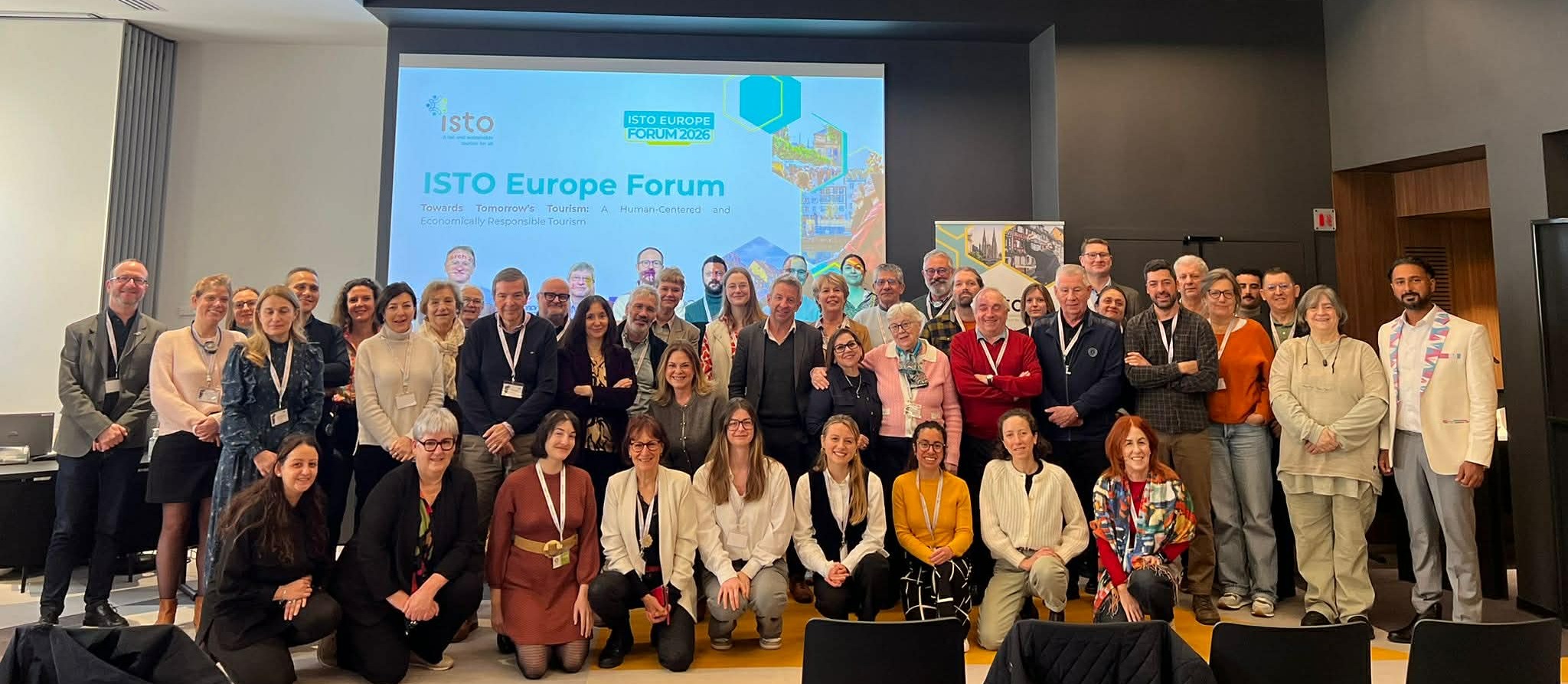
The first day was devoted to institutional meetings of the European section of ISTO. The following two days gave participants the opportunity to take part in a packed programme of conferences, panel discussions and plenary sessions, with the aim of encouraging discussion and reflection on key issues relating to social, economic and environmental sustainability.
Topics covered included new models of responsible financing, digital accessibility as a driver of inclusion, and citizen participation in the tourism development of destinations. Discussions also focused on future European policies on social tourism, the role of social tourism by 2050, and the links between regional well-being and attractiveness.
In total, 25 speakers and moderators led the proceedings at this Forum, some of whom came from academic institutions, the European Commission, and organisations committed to developing tourism that is more sustainable in social, environmental and economic terms.
Meaningful exchanges between European stakeholders
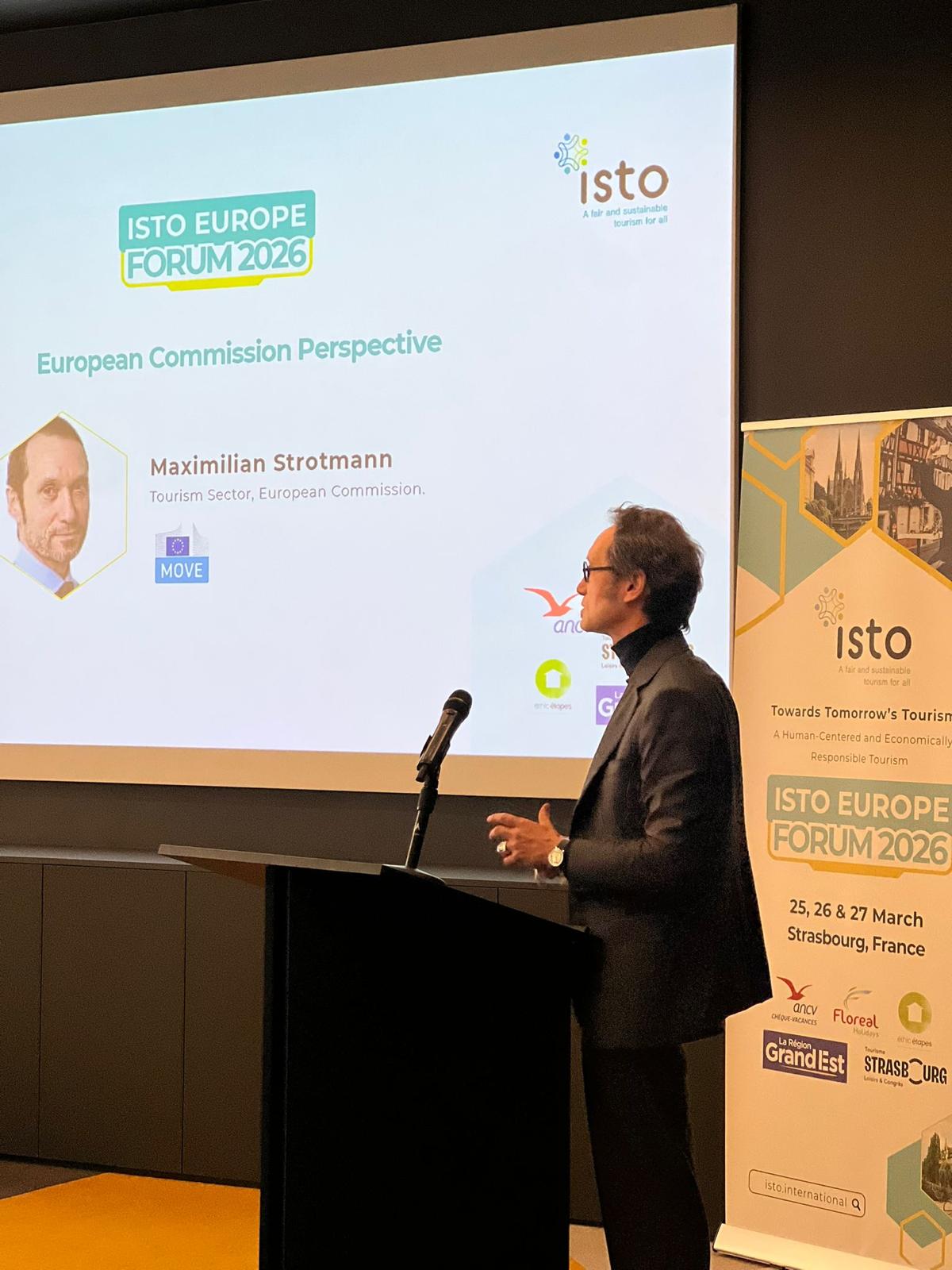

The panel discussions and plenary sessions provided concrete insights into the current challenges facing social tourism in Europe, whilst encouraging the sharing of experiences amongst the stakeholders present at the Forum. Networking sessions were also a key feature of the Forum, facilitating the creation of partnerships amongst ISTO members.
The presence of a representative from the European Commission enabled the section to draft, following the Forum, a letter of recommendations for the future European strategy on sustainable tourism addressed to Apostolos Tzitzikostas, Commissioner for Sustainable Transport and Tourism.
The 30th anniversary of the Montreal Declaration
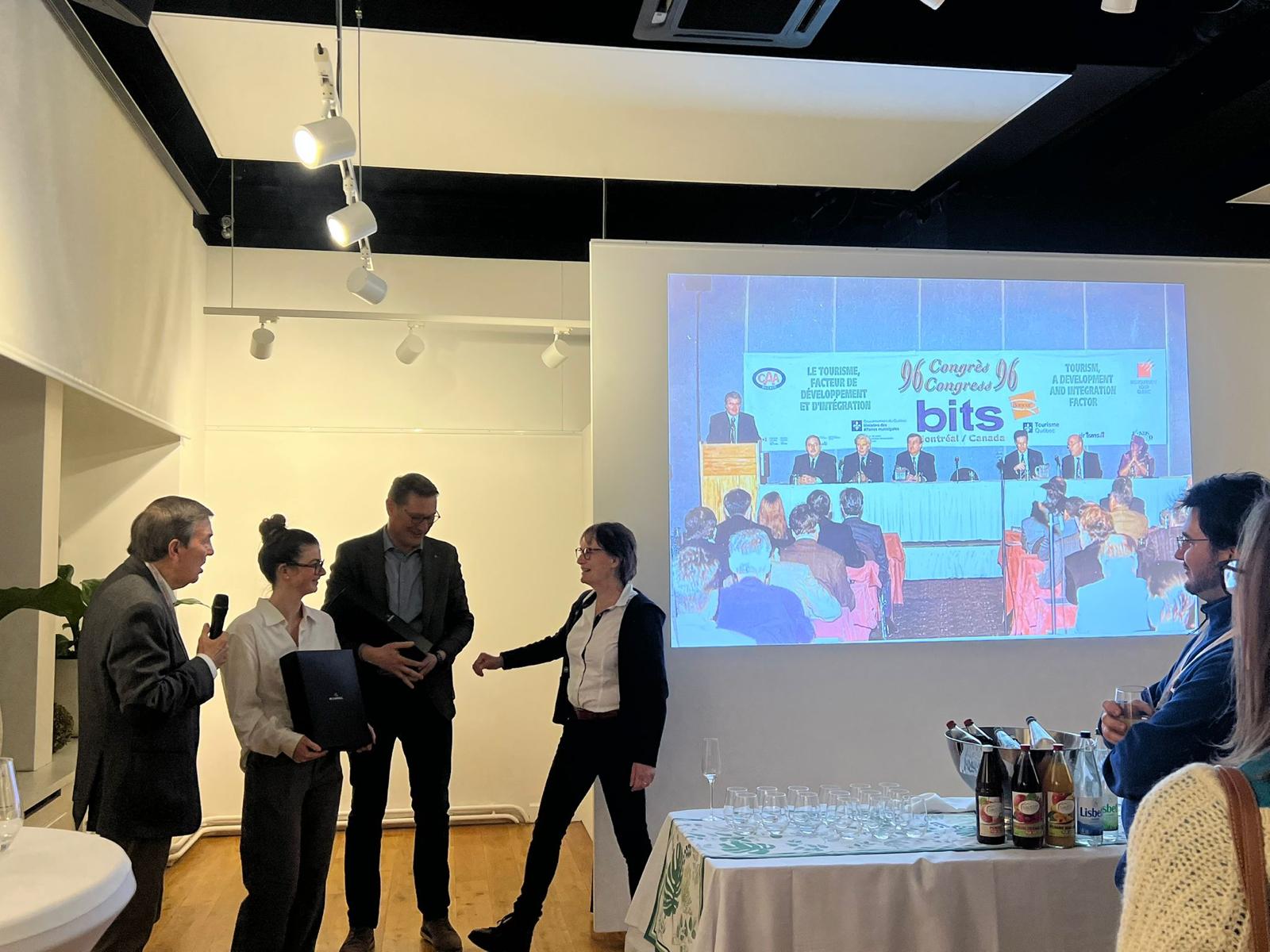
The Forum also provided an opportunity to celebrate the 30th anniversary of the Montreal Declaration, highlighting the importance of this framework for developing a fair and sustainable tourism for all. This anniversary served to reaffirm the relevance of the principles set out in the Montreal Declaration (1996), the Aubagne Addendum (2006) and the Brussels Addendum (2023) in the face of the contemporary challenges facing the tourism sector.


A strengthened collective dynamic for the European section of ISTO
Thanks to the rich discussions, the diversity of participants and the many avenues for reflection explored over the course of these three days, the ISTO Europe 2026 Forum fully achieved its objective: to strengthen the collective momentum of the Europe section and to continue building a more responsible, inclusive and sustainable tourism sector for the years to come.

Zoé Bertolin
26-05-2026