14
Oct 2026
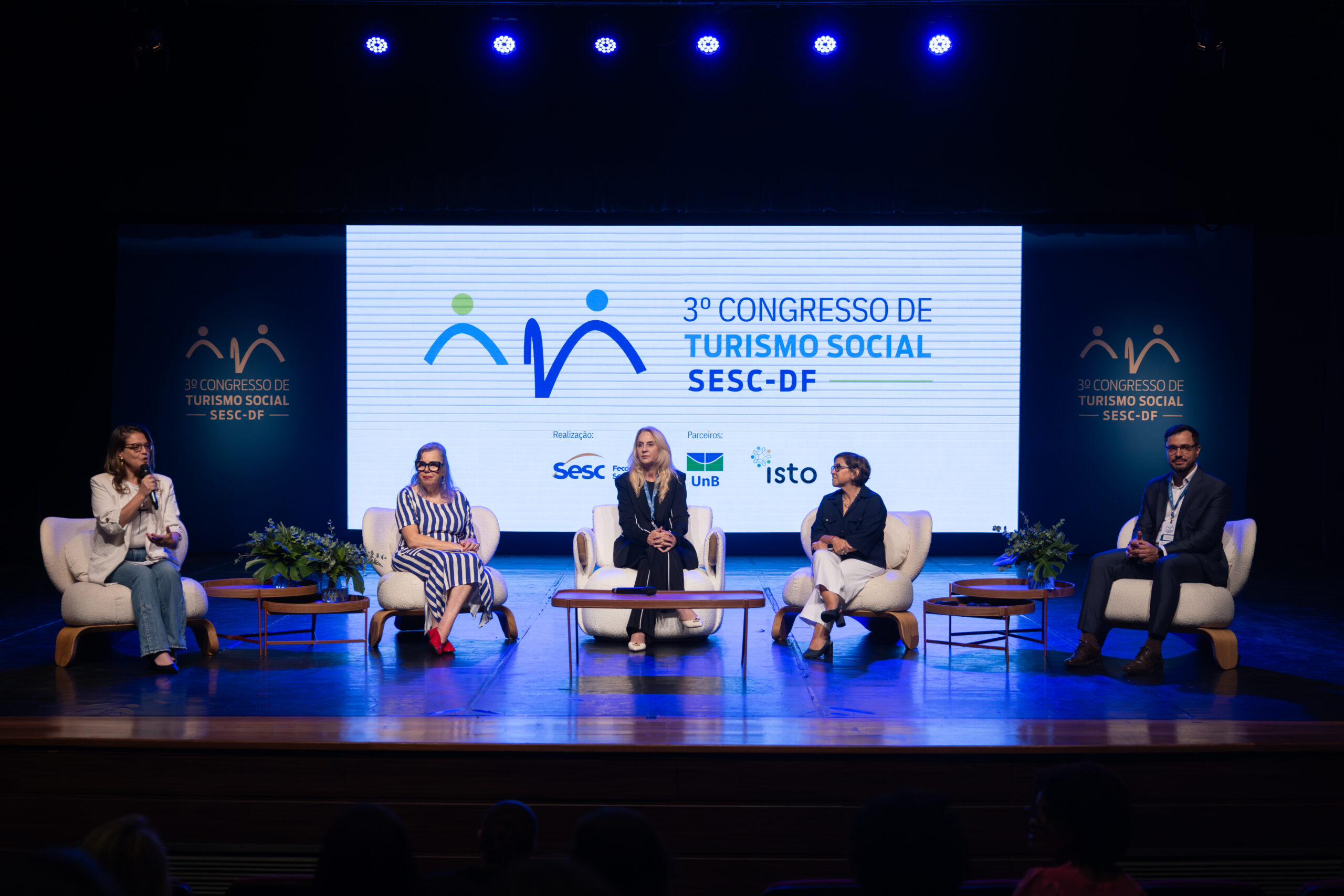
ISTO actively participates in the 3rd Social Tourism Congress of Sesc-DF in Brasília (Brazil).
Over the course of three days, the event brought together specialists, researchers, professionals, and institutional representatives in the Brazilian capital to exchange knowledge, experiences, and perspectives on the present and future of social tourism.
Discussions among academics, representatives of institutions, and social tourism professionals
Held at Sesc Gama, the Congress fostered dialogue among academia, institutions, professionals, and local stakeholders through lectures, roundtables, workshops, working groups, and technical visits. Discussions covered various dimensions of social tourism, including accessibility, inclusion, sustainability, socio-territorial development, legislation, creative tourism, and the design of tourism products based on a social and solidarity-based approach.
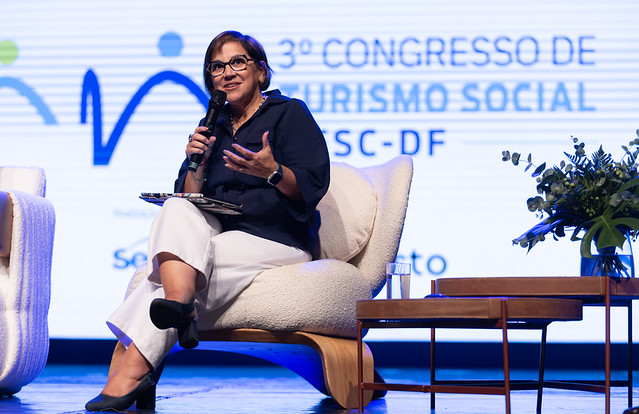
ISTO’s Secretariat for the Americas was represented by its Director, Verónica Gómez, who participated in various sessions throughout the program. In addition to joining the opening institutional panel alongside representatives from Sesc-DF, the Sesc National Department, and the University of Brasília (UnB), she facilitated a workshop on designing tourism products with a social focus, aiming to translate social tourism principles into the practical development of tourism experiences and products.
Congress Highlights
ISTO also led the closing session, "Key Takeaways," which revisited the main ideas and insights that emerged during the Congress and placed them in the context of current challenges facing social tourism. The Director for the Americas highlighted the need to move from principles to action, expand access to tourism, and strengthen collaboration among social organizations, the public sector, businesses, academia, communities, and local territories.
Another highlight of the Congress was the launch of Circuitos: Turismo Social, Escritas, Movimentos e Circularidades, a publishing initiative developed by Sesc-DF and the ISTO Americas section to foster the production and dissemination of knowledge regarding social tourism. The inaugural edition compiles work from previous Congresses and helps build bridges between research, reflection, and practice.
This third edition helps cement the Congress as a key forum for debating social tourism in Brazil. Sesc has extensive experience in this field, developing initiatives that combine tourism, leisure, culture, knowledge, and inclusion. Its offerings cater to commerce workers and their families, providing travel opportunities and tourism experiences at affordable rates for Sesc network members, with a special focus on accessibility for those with lower incomes. In the Federal District, these programs enable thousands of people to participate in tourism activities each year.
Furthering the discussion on social tourism
Finally, the Congress extended the discussion into the field through technical visits in Brasília and the surrounding area. Experiences centered on memory and identity, local production, creativity, gastronomy, and territorial development offered a practical look at how tourism can help forge connections between people and the places they visit.
ISTO’s participation in Brasília is part of its efforts to strengthen cooperation with Sesc-DF and the Sesc network in Brazil—a long-standing key player in social tourism in the Americas. The gathering provided an opportunity to deepen the dialogue regarding new possibilities for collaboration, knowledge generation, and the development of joint initiatives.
As Verónica Gómez highlighted in the closing address, rethinking social tourism means going beyond simply making travel possible; it requires asking ourselves: "For whom, why, and in what way do we engage in tourism?".
This reflection encapsulates much of the discussion held over the three days and invites us to continue building a form of tourism capable of expanding opportunities and generating positive impacts for both people and the territories they visit.

Sixtine Poullain
14-10-2026