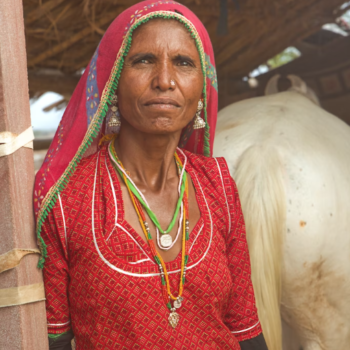
The tourism sector is one of the most dynamic in the world and represents a major economic opportunity, particularly in developing countries. But behind the growth figures and promises of local development, one reality remains: gender inequalities remain deep-rooted. Women, although very present in tourism activities, continue to encounter structural barriers that limit their full participation.
Community tourism and fair tourism offer alternatives that can transform this reality. By placing social justice, cooperation and balanced power relations at the heart of exchanges, tourism can become an empowerment lever. But to achieve this, we must recognise the obstacles that remain and put concrete strategies in place.
With this in mind, ISTO's Community and Fair Tourism Working Group invited two practitioners to share their experiences and reflections:
- Iaia Pedemonte, founder of Gender Responsible Tourism (Italy), an international platform recognised by UN Tourism, a pioneer in promoting initiatives that promote gender equality in tourism, and coordinator of ISTO's Gender Equity, Diversity and Inclusion Working Group.
- Coralie Marti, director of the Association pour le Tourisme Equitable et Solidaire (ATES), which brings together more than 35 French tourism operators and advocates an alternative model based on encounter, solidarity and economic justice.
Their contrasting perspectives shed light on both the persistent obstacles and the courses of action for truly fair and inclusive tourism.