28
Oct 2026
Can community-based tourism help keep rural areas alive?.
The session provided an opportunity to discover a vision of tourism that is profoundly different from dominant models. Far from considering tourism an end in itself, the Brazilian experience demonstrates that it can become a tool serving family farming, cooperation between local residents and the vitality of rural areas. This reflection goes far beyond the Brazilian context alone and raises questions about the conditions required for truly sustainable tourism development.
When tourism becomes a rural development strategy
Tourism is often presented as a driver of economic development. Yet, in many rural areas, the question takes on a different dimension: how can agricultural activities be preserved, populations maintained locally and the gradual abandonment of rural areas prevented ?
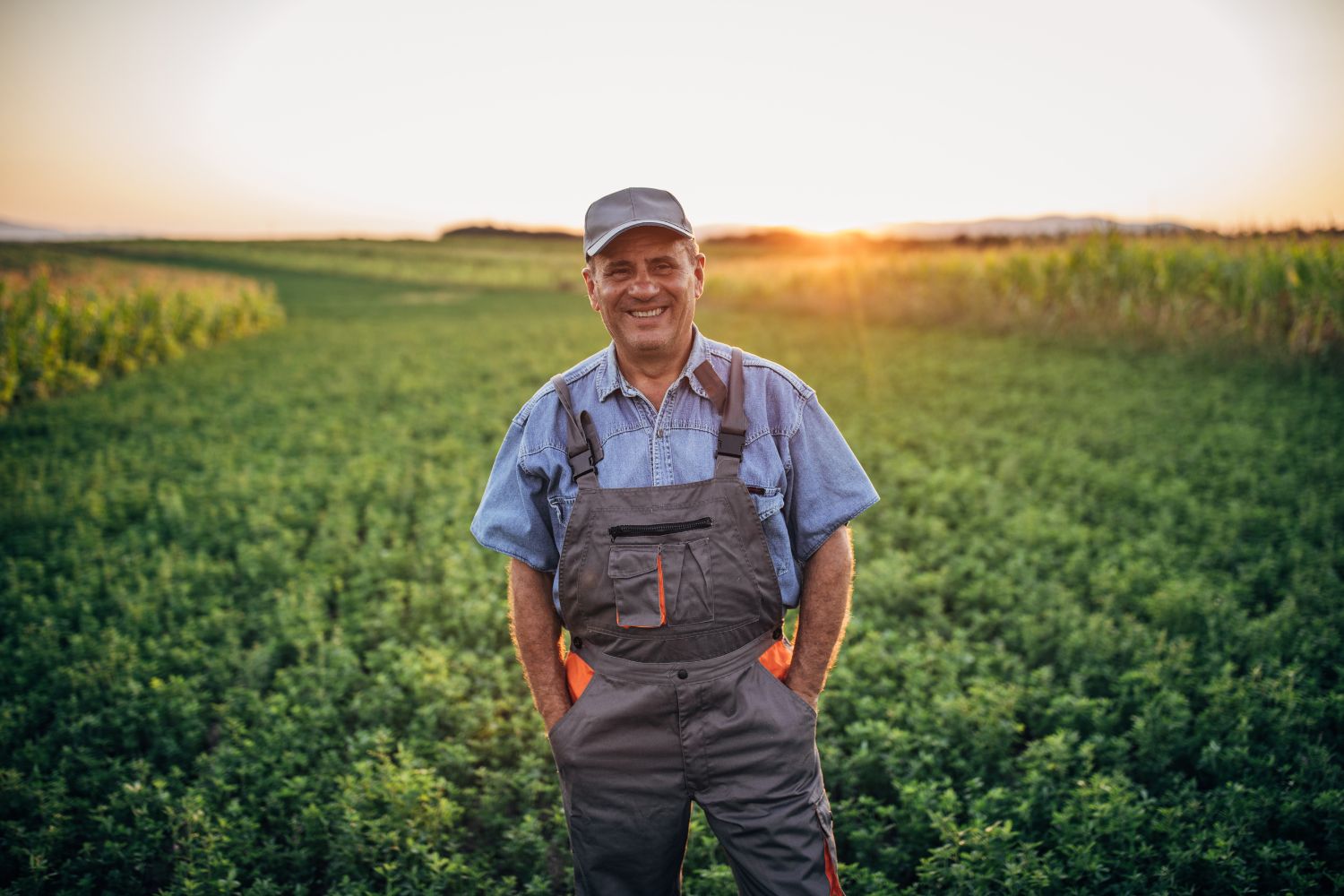
It was precisely this question that led to the creation of the Acolhida na Colônia association in 1996. Faced with the difficulties experienced by family farms, its founders did not ask themselves how to attract more tourists, but rather what future could be built for their territory and how to resist the gradual disappearance of family farming. From this perspective, tourism does not appear as an activity separate from agriculture. On the contrary, it becomes an extension of it. Visitors are welcomed on farms, discover families’ know-how, share their daily lives and contribute to an economy that enables farmers to diversify their income without giving up their profession.
This shift in perspective is essential. Tourism is no longer a sector that transforms territories to meet visitors’ expectations; it becomes a tool enabling local people to continue living from their land.
Making tourism a tool for resilience
Acolhida na Colônia presents tourism as an instrument of resistance against two phenomena that currently weaken rural areas: on the one hand, an industrialised agricultural model that gradually marginalises small-scale farms; and on the other, tourism development that tends to standardise landscapes, accommodation and experiences offered to travellers. This dual form of resistance is particularly significant. It reminds us that community-based tourism is not only about welcoming visitors differently. It also contributes to defending a particular vision of territories, in which local residents remain the primary actors in their own development.
This approach also echoes many initiatives observed around the world, including farmer tourism networks in Europe, Italian agritourism projects and approaches developed by rural organisations in several Latin American countries. Everywhere, tourism becomes a means of strengthening local economies rather than an objective of growth in itself.
Experience rather than consumption
Acolhida na Colônia promotes tourism that is “place-based”, “relational”, “slow” and centred on lived experiences. These terms express a shared ambition: to place human encounters at the heart of travel. Visitors do not come simply to sleep on a farm or consume rural activities. They discover ways of life, farming practices, recipes, landscapes shaped by generations of inhabitants and a particular way of living in and relating to a territory.
This vision aligns with the reflections developed for several years within ISTO around community-based tourism: the value of a stay does not lie solely in the infrastructure or facilities offered, but in the quality of the relationships built between visitors and host communities.
Investing in what cannot be replicated
At a time when destinations can sometimes become increasingly similar, the Brazilian experience highlights a particularly relevant principle: the true value of a territory lies in what cannot be copied. Rather than investing in ever more standardised infrastructure, the network chooses to showcase agricultural know-how, local cuisine, farm products, cultivated landscapes, family stories and the relationship that residents maintain with their environment. In other words, the richness of rural tourism does not come from what can be reproduced elsewhere, but precisely from what is deeply rooted in a specific territory.
This reflection is undoubtedly one of the most relevant responses to the contemporary challenges facing tourism. At a time when digital platforms encourage a certain homogenisation of accommodation and experiences, the most valuable resources remain those intimately connected to people, cultures and landscapes.
Tourism based on cooperation
The presentation also highlighted the importance of collective approaches. Acolhida na Colônia does not operate as a simple collection of individual farms welcoming visitors independently. The network is based on shared tools: a collective brand, quality standards, participatory assessments, training activities, shared governance and strong solidarity among members. This collective dimension is undoubtedly one of the keys to its long-term sustainability.
It also reminds us that community-based tourism is not limited to offering authentic experiences to visitors. It also requires organisations capable of pooling expertise, defending common interests and supporting local communities over time. The network’s work therefore goes far beyond tourism activities themselves, contributing to the structuring of rural development, the recognition of local initiatives and even the evolution of public policies.
New challenges for community-based rural tourism
While this experience is particularly inspiring, it is not immune to the profound transformations currently affecting the tourism sector.
Among the main challenges identified are maintaining the associative spirit, renewing agroecological practices, strengthening the links between agriculture and tourism, as well as the growing influence of digital platforms and what participants described as the “Airbnbisation of tourism”. This expression reflects a global trend. Platforms make it easier to market accommodation, but they can also encourage constant competition between destinations and contribute to the standardisation of tourism offers. For community-based tourism networks, the challenge is therefore to benefit from digital tools without losing what makes them unique: human relationships, local cooperation and territorial roots.
Thinking of tourism as a territorial policy
Throughout the discussions, one idea gradually emerged: community-based tourism is not only a different way of travelling. It also represents a genuine territorial development policy. By supporting family farming, diversifying farm incomes, promoting food and cultural heritage, strengthening mutual support networks and encouraging young people to remain in rural areas, it contributes to keeping territories alive. This approach invites us to move beyond a purely economic vision of tourism. The challenge is no longer only to measure visitor numbers or revenue generated, but to question tourism’s capacity to strengthen territorial resilience, preserve identities and sustainably improve residents’ quality of life.
Through the experience of Acolhida na Colônia, the members of ISTO’s working group have shown that community-based tourism can represent far more than a complementary activity. When conceived as a collective project, rooted in local realities and serving the interests of residents, it becomes a genuine lever for rural development, cooperation and the transition towards more sustainable tourism models.

Coralie Marti
28-10-2026